
Solar vs grid — the real cost-per-lux comparison
A fair comparison once you include downtime, generator hours, and the cost of replacing battery banks. The honest answer for compounds, schools, and roadside lighting.
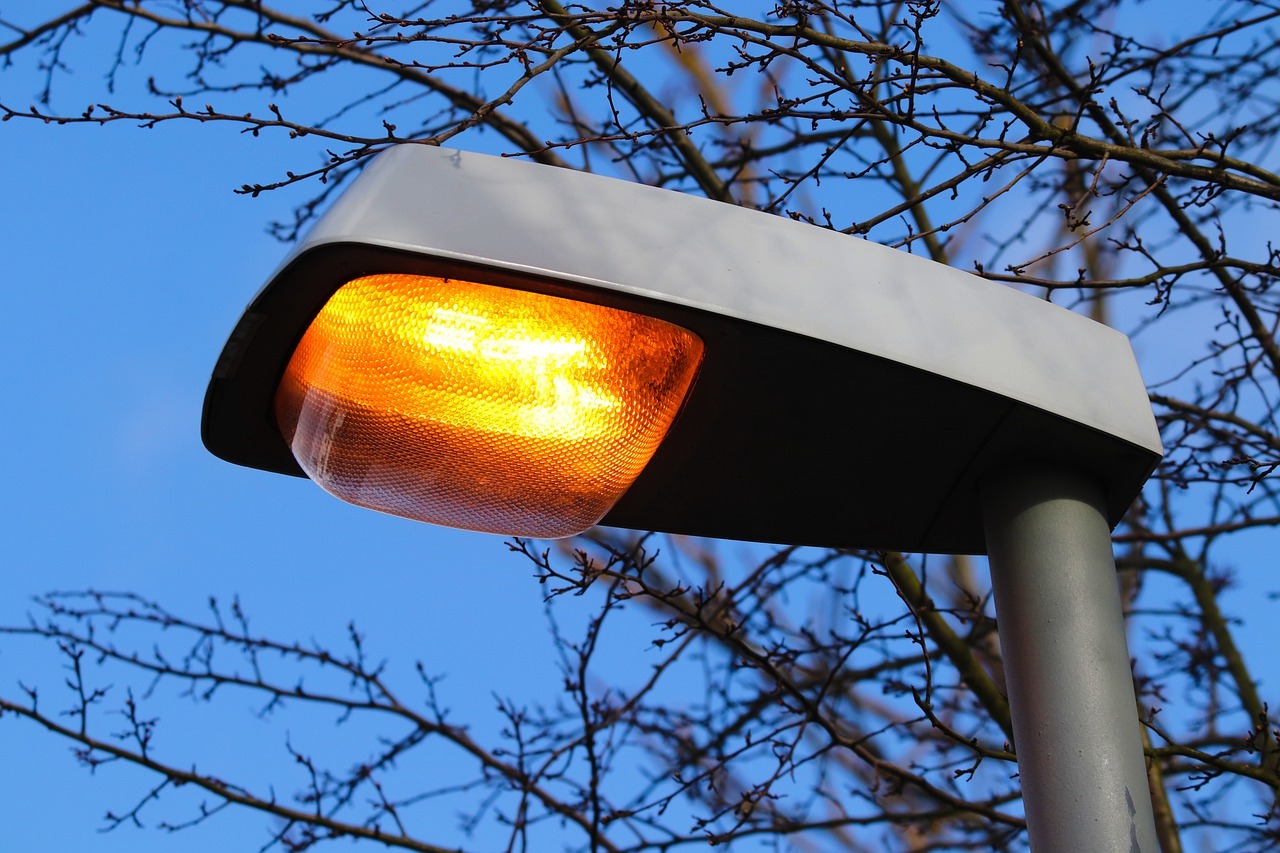
We get this question every week from clients sizing a compound, a school, or a roadside lighting brief: “Are the solar lights really cheaper?” The lazy answer is “yes, solar is free electricity”. The honest answer is more nuanced — and depends on three numbers the brochure won’t tell you.
The brochure cost vs the ten-year cost
A solar street light typically costs 2–3x its grid-tied equivalent upfront. The brochure tells you the bulb runs “free” after that. What it doesn’t tell you:
- Battery banks last 4–6 years in Kenyan ambient temperatures. Replace the LiFePO4 pack twice over the 10-year life of the head. Budget ~30% of the original light cost per replacement.
- Panels degrade ~0.8%/year. Year-10 output is about 92% of year-1. Real-world Nairobi cloud cover further trims that. Spec your panel with 20% headroom or accept dimmer lighting later.
- Controller failures are the silent killer. Cheap PWM controllers fry inside three years. Spec MPPT, with a real warranty.
The grid-tied side has hidden costs too
It’s not all wins for grid:
- Connection cost. A new KPLC connection for a single light pole on a rural road can be more expensive than the light itself.
- Tariff drift. Tariffs have moved ~14% in the last three years. Solar locks you in.
- Generator hours. If the grid drops out at night, your grid-tied lights drop out too. Schools and compounds typically run generators to cover security lighting — fuel cost adds up.
When solar genuinely wins
- Rural or peri-urban with no nearby grid drop.
- Lighting-only loads (no security cameras, gate motors, or PA on the same circuit).
- Owner pays the bill (vs an enterprise where electricity is metered to a different cost-centre).
- Reliability matters more than absolute lowest cost (perimeter security, school compounds).
When grid still wins
- Within 50 m of existing grid infrastructure with a spare phase available.
- High continuous load beyond just lights (CCTV, gate, water pump on the same circuit).
- Predictable mains availability — central Nairobi commercial estates, for instance.
What we actually do on a brief
We run a quick 10-year total-cost-of-ownership model with the client’s own usage assumptions, not the brochure’s. Typically the solar premium is paid back at year 6–7; if the brief asks for a payback shorter than that, we tell the client honestly that grid is the better fit.
Want the model spreadsheet? Drop us a WhatsApp and we’ll send it over — your inputs, your decision.